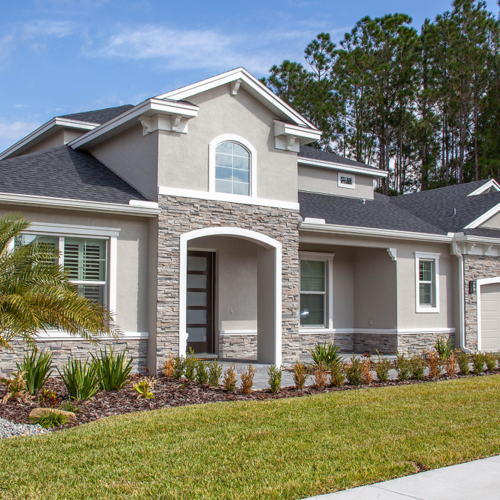





Golf communities in Florida aren't all built the same way. The membership structure tied to a home shapes your access to the course, your annual costs, and the overall culture of the community. Before buying in any golf community, it's worth understanding how these structures actually work. The three models you'll encounter most often in Southwest Florida are bundled, mandatory, and non-mandatory golf memberships. Each one carries a distinct set of advantages, financial obligations, and lifestyle implications worth weighing carefully.
The Main Types of Golf Membership Structures
Bundled memberships include golf access as part of the home purchase itself. Mandatory memberships require buyers to join the golf club as a condition of ownership, with a separate initiation fee. Non-mandatory memberships give residents the option to join or not, on their own schedule. The right fit depends on how often you play and what role the club plays in your daily life. Long-term ownership goals and seasonal living patterns both factor in meaningfully.
| Membership Type | Golf Access | Flexibility | Typical Community Style |
|---|---|---|---|
| Bundled | Included with ownership | Moderate | Active golf communities |
| Mandatory | Required purchase | Lower | Luxury private clubs |
| Non-Mandatory | Optional to join | High | Lifestyle-focused communities |
What Is a Bundled Golf Membership?
In a bundled golf community, your membership comes with the home. There's no separate initiation fee to join the club. Annual dues are folded into the overall fee structure and tend to be lower than what you'd pay at a private equity club. Naples and Southwest Florida are well known for their concentration of bundled golf communities. Communities like Naples Lakes Country Club, Heritage Bay Golf and Country Club, and Esplanade Golf and Country Club all follow this model. Every homeowner becomes a member at purchase, which creates a consistent, golf-centered community culture from the start. The main consideration is that golf HOA fees and membership dues continue whether you play regularly or not. Tee-time access during peak winter season is also more competitive in bundled communities, since every resident holds a membership. These communities typically accommodate a larger member base per 18 holes, which means a livelier but sometimes busier course. 
What Is a Mandatory Golf Membership?
In a mandatory golf community, club membership is a condition of owning a home. Unlike bundled models, buyers pay a separate initiation fee at purchase. This fee is in addition to the home price and any HOA costs. At the luxury level, golf club initiation fees can range from $50,000 to well over $200,000. Annual dues are separate and reflect the elevated conditioning and service standards these clubs maintain. Most cap membership at around 300 per 18 holes, which means meaningfully better tee-time access than in bundled communities. Many of Florida's highest-rated private golf clubs operate under some form of mandatory or equity membership. The club culture at these properties tends to be tighter, more socially organized, and more focused on the game itself. Knowing what expertise matters when buying in a golf community is especially valuable at this level of commitment.
What Is a Non-Mandatory Golf Membership?
Non-mandatory golf communities offer the most flexibility. Residents can live in the community without joining the golf club. Membership is an option, not an obligation. This model appeals to buyers who enjoy golf without wanting to make it the defining feature of ownership. It also works well for seasonal residents who'd prefer to evaluate a club's fit before committing to full country club living. The trade-off is that non-members typically don't receive priority tee-time access and may find peak-season booking more competitive. Both avid golfers and lifestyle-first buyers can find a comfortable fit in non-mandatory communities. The absence of a mandatory club commitment also tends to broaden the home's appeal to future buyers.
Which Membership Structure Fits Your Lifestyle?
The best membership model isn't universal. It depends on how often you'll play and how central you want the club to be in your daily life.
| Buyer Type | Best Fit |
|---|---|
| Avid year-round golfers | Mandatory or equity |
| Seasonal golf enthusiasts | Bundled |
| Lifestyle-first residents | Non-mandatory |
| Social club-focused buyers | Mandatory or equity |
| Multi-interest households | Non-mandatory |
Buyers who want the strongest course access and the most defined club culture tend to thrive in mandatory environments. Seasonal residents often find bundled or non-mandatory communities a better long-term fit. Resale considerations matter here too, as mandatory initiation fees can affect the pool of future buyers for your home. For buyers considering Florida golf communities, understanding these differences early makes the search significantly more focused.
Equity vs. Non-Equity Golf Memberships
These two terms often come up alongside mandatory and bundled structures, and they're worth understanding separately. An equity membership means you hold an ownership stake in the club itself. This typically comes with voting rights, a say in major capital decisions, and a potentially refundable or transferable initiation fee. Non-equity memberships provide course access without ownership. Initiation fees are generally non-refundable, and members have no voice in club governance. When comparing South Florida's premier private golf communities, it's worth confirming which model applies before making any commitment. Many of the country's most recognized private clubs operate as equity clubs, particularly at the higher end of the market. A member-owned club structure tends to bring greater financial transparency and stronger long-term stability for residents.
Choosing the Right Golf Community Lifestyle in Florida
Florida offers more variety in golf community structures than almost any other state. From Naples' bundled communities to the equity private clubs of Palm Beach, each model reflects a genuinely different lifestyle. The right choice is rarely about which model is objectively better. At Gulf and Greens Luxury, we work closely with buyers weighing these decisions across Southwest Florida's most sought-after golf communities. Our focus on golf and waterfront living means we understand the nuances of each model well. Feel free to connect with our team if you'd like a direct conversation about what fits your goals.
Frequently Asked Questions
What is a bundled golf membership?
A bundled golf membership is included with the purchase of your home. There's no separate initiation fee. Membership is deeded to the property and carries annual dues that are part of the community's overall fee structure.
What does mandatory golf membership mean?
A mandatory golf membership means buyers must join the club as a condition of purchasing a home in the community. It involves a separate initiation fee and ongoing annual dues in addition to HOA costs. The club membership and home ownership are linked.
What is a non-mandatory golf community?
In a non-mandatory golf community, joining the club is entirely optional. Residents can own a home without holding a membership. Those who want to play can join separately, but it's not a condition of ownership.
Are bundled golf memberships worth it? For golfers who plan to use the course regularly, bundled golf memberships offer strong value. The lack of a large initiation fee and simplified access are genuine advantages. The trade-off is that dues continue year-round, and tee-time access can be more competitive during peak season.
What are equity golf memberships?
An equity golf membership means you hold an ownership stake in the club itself. Members typically have voting rights and a say in major club decisions. Initiation fees may be refundable or transferable depending on the club's bylaws, though policies vary between clubs.
Do mandatory golf communities require initiation fees?
Yes. In most mandatory golf communities, buyers pay a separate initiation fee in addition to the home purchase price. At Florida's top luxury private clubs, these fees can range from tens of thousands of dollars to well over $200,000.
Which golf membership structure is best for seasonal residents?
Bundled communities are often a practical choice for seasonal residents since membership comes included with no large upfront cost. Non-mandatory communities work well for buyers who prefer flexibility without a long-term club commitment. The right fit depends on how often you plan to play.
Are tee times harder to get in bundled golf communities?
They can be. Bundled communities have a larger member base since every homeowner holds a membership. During peak winter season, demand increases considerably. Most bundled communities manage this through advance booking systems, though availability can tighten during the busiest months.
What are the benefits of non-mandatory golf memberships?
The main benefit is flexibility. You can own a home without committing to a club membership, which lowers overall ownership costs and broadens the home's resale appeal. It's a good option for occasional golfers who don't want to pay full member dues year-round.
How do Florida golf communities structure memberships?
Florida golf communities use one of three main models. Bundled communities include membership with the home. Mandatory communities require a separate club membership as a condition of purchase. Non-mandatory communities make membership optional. Each structure creates a meaningfully different ownership experience.
Check out this article next